

Discover
Tea & Mindfulness
Slow down for a cup. Poets, monks and tea masters, across more than a thousand years, on stillness and the simple act of drinking tea.
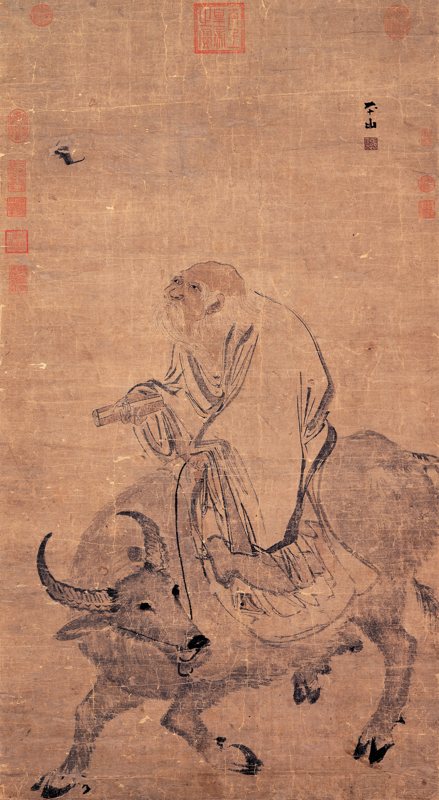
孰能濁以靜之徐清?
Who can (make) the muddy water (clear)? Let it be still, and it will gradually become clear.
Laozi 老子Imagined likeness, painted after their lifetime.
為無為,事無事,味無味。
(It is the way of the Tao) to act without (thinking of) acting; to conduct affairs without (feeling the) trouble of them; to taste without discerning any flavour.
Laozi 老子Imagined likeness, painted after their lifetime.
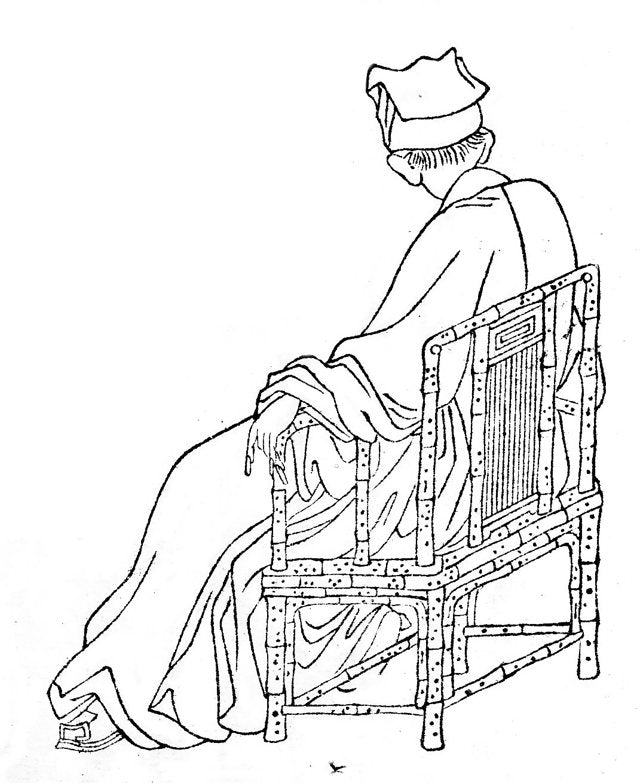
行到水窮處,坐看雲起時。
I walk to where the stream runs out, and sit and watch the moment the clouds rise.
Wang Wei 王維Imagined likeness, painted after their lifetime.
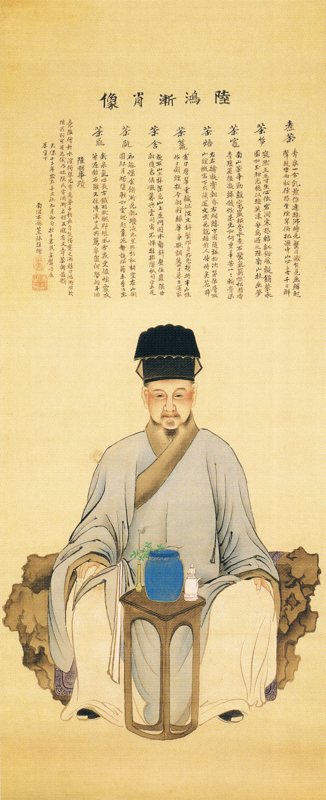
茶之爲用……爲飲,最宜精行儉德之人。
As a drink, tea is best suited to people of earnest conduct and frugal virtue.
Lu Yu 陸羽Imagined likeness, painted after their lifetime.
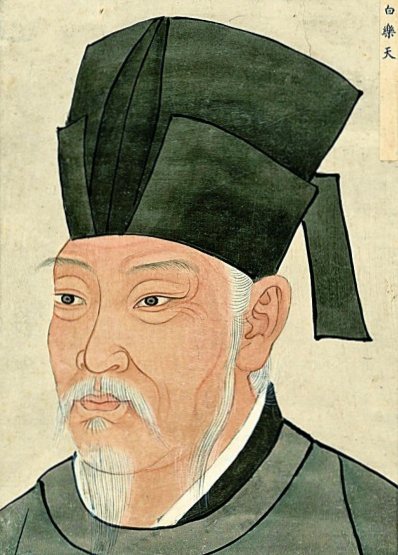
坐酌泠泠水,看煎瑟瑟塵。無由持一碗,寄與愛茶人。
I sit and ladle the cool, clear water, and watch the fine tea-dust as it brews. I have no way to carry a bowl of it to give to someone who loves tea.
Bai Juyi 白居易Imagined likeness, painted after their lifetime.
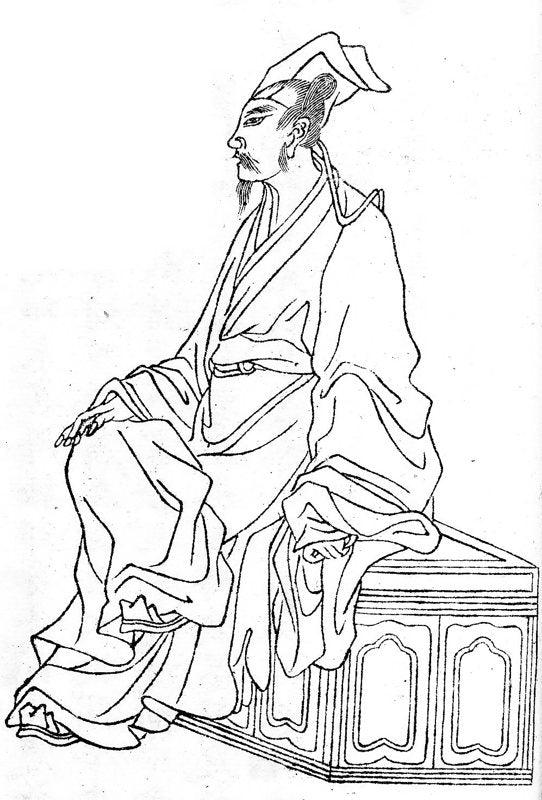
茶。香葉,嫩芽。……夜後邀陪明月,晨前命對朝霞。
Tea. Fragrant leaves, tender buds ... At night, invited to keep company with the bright moon; before dawn, called to face the morning clouds.
Yuan Zhen 元稹Imagined likeness, painted after their lifetime.
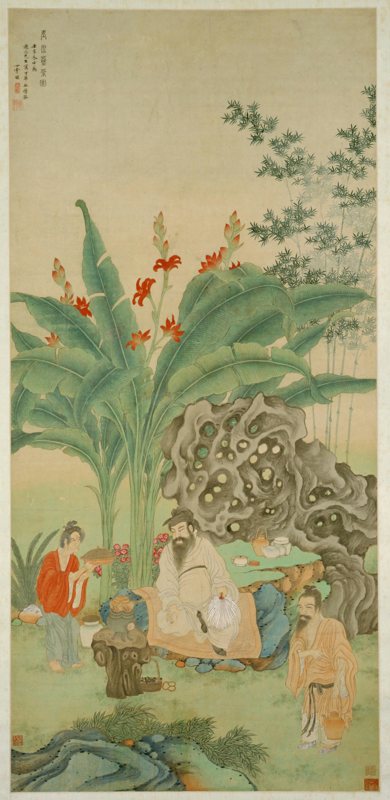
一碗喉吻潤,兩碗破孤悶。……七碗喫不得也,唯覺兩腋習習清風生。
The first bowl moistens my lips and throat; the second bowl breaks my loneliness ... The seventh bowl I cannot drink: I only feel a pure breeze rising, soft and steady, beneath my arms.
Lu Tong 盧仝
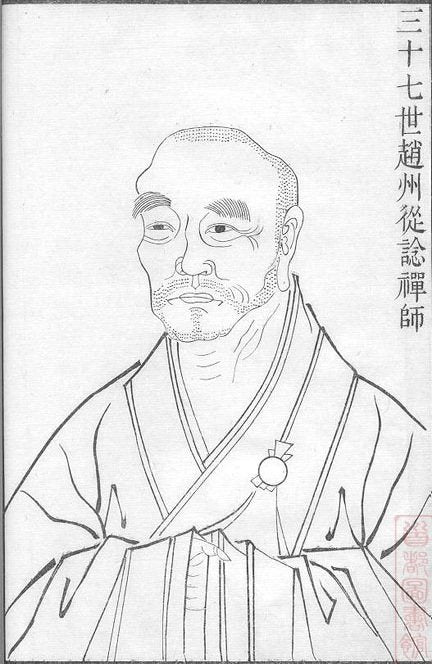
師問新到。曾到此間麼。曰曾到。師曰。喫茶去。又問僧。僧曰。不曾到。師曰。喫茶去。後院主問曰。為甚麼曾到也云喫茶去。不曾到也云喫茶去。師召院主。主應諾。師曰。喫茶去。
The master asked a newly arrived monk, 'Have you been here before?' 'I have.' The master said, 'Go and have some tea.' He asked another monk, who said, 'I have not.' The master said, 'Go and have some tea.' Later the temple steward asked, 'Why do you say "go and have some tea" to the one who has been here and to the one who has not?' The master called, 'Steward!' 'Yes?' 'Go and have some tea.'
Zhaozhou 趙州從諗Imagined likeness, painted after their lifetime.
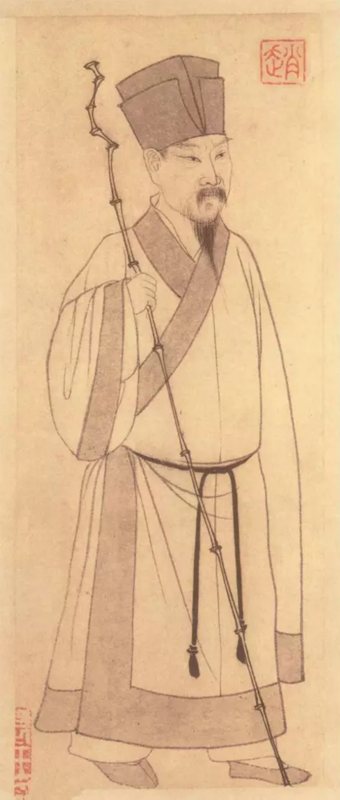
休對故人思故國,且將新火試新茶。詩酒趁年華。
Do not long for your old home in front of old friends; light the new fire and try the new tea. Poetry and wine are for the years while they are young.
Su Shi 蘇軾Imagined likeness, painted after their lifetime.
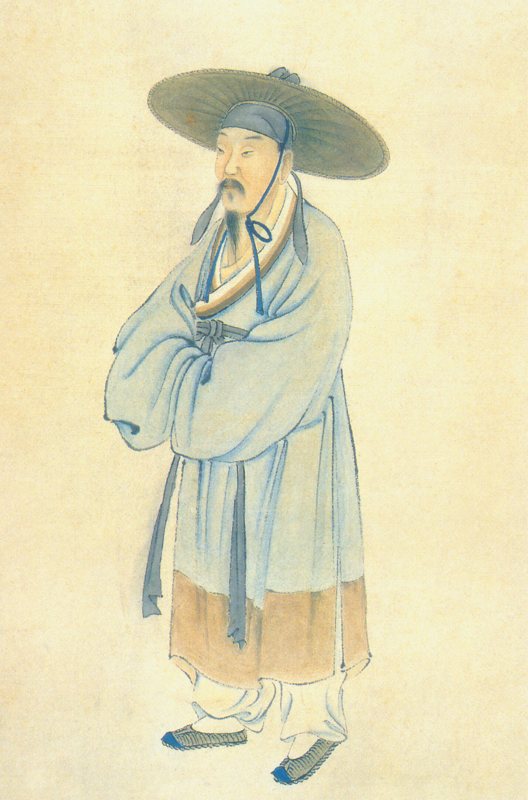
矮紙斜行閒作草,晴窗細乳戲分茶。
On short paper, in slanting lines, I idly write in cursive script; by a sunny window, with fine froth, I playfully 'divide the tea'.
Lu You 陸游Imagined likeness, painted after their lifetime.
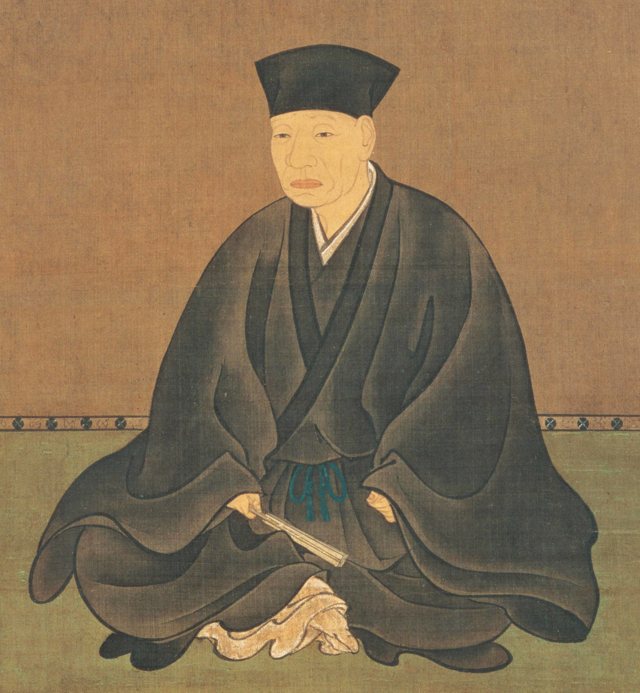
茶の湯とは只湯をわかし茶をたてゝ飲むばかりなる事と知るべし
Know that the Way of Tea is nothing more than boiling water, making tea, and drinking it.
Sen no Rikyū 千利休Imagined likeness, painted after their lifetime.
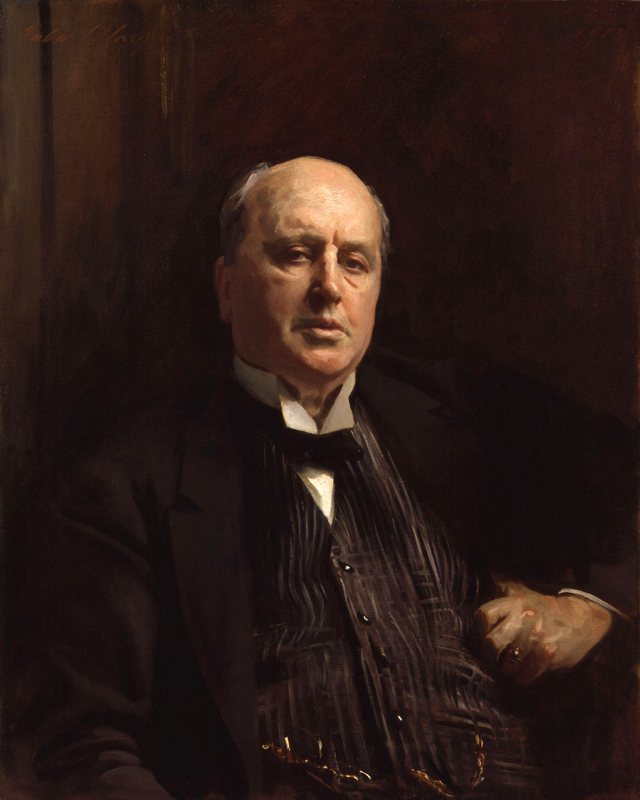
Under certain circumstances there are few hours in life more agreeable than the hour dedicated to the ceremony known as afternoon tea.
Henry James
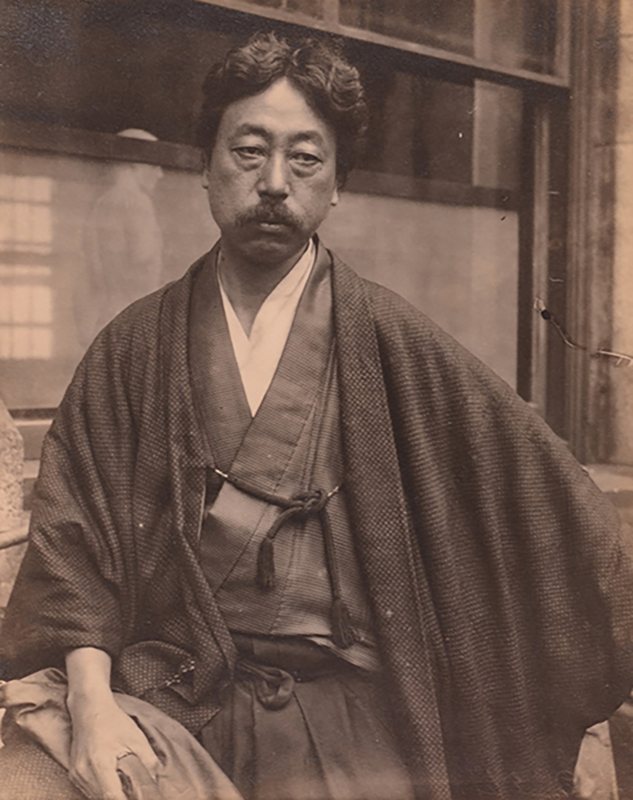
Teaism is a cult founded on the adoration of the beautiful among the sordid facts of everyday existence.
Okakura Kakuzō 岡倉覚三
Tea with us became more than an idealisation of the form of drinking; it is a religion of the art of life.
Okakura Kakuzō 岡倉覚三
Meanwhile, let us have a sip of tea. The afternoon glow is brightening the bamboos, the fountains are bubbling with delight, the soughing of the pines is heard in our kettle. Let us dream of evanescence, and linger in the beautiful foolishness of things.
Okakura Kakuzō 岡倉覚三
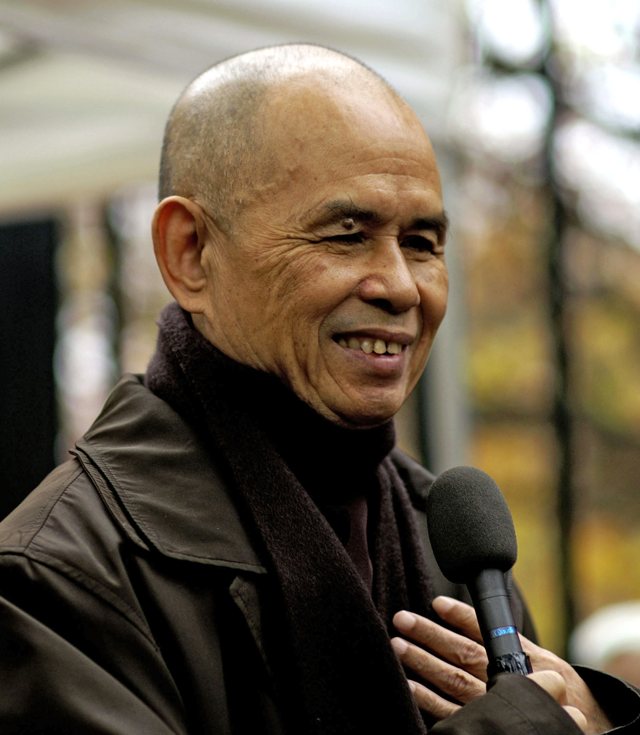
Drink your tea slowly and reverently, as if it is the axis on which the world earth revolves – slowly, evenly, without rushing toward the future.
Thich Nhat Hanh 釋一行
The miracle is to walk on the green earth in the present moment.
Thich Nhat Hanh 釋一行
Sit a while with us
Our tea house at 9 Neil Road has been a quiet place to slow down over a pot of tea since 1989. Come in, put the phone away, and let the tea take its time.
Visit the tea houseAbout these quotes and pictures
Each quote was checked against its original text. Where a translation is marked "ours", it is Tea Chapter's own rendering of the Chinese or Japanese shown above it. Rikyū's line comes from a collection of poems handed down in his name. Portraits of people who lived before photography are imagined likenesses, painted long after their lifetimes.
Texts
- Laozi: 道德經 Tao Te Ching. Text
- Laozi: 道德經 Tao Te Ching. Text
- Wang Wei: 終南別業 (My Retreat at Zhongnan Mountain). Text
- Lu Yu: 茶經 The Classic of Tea. Text
- Bai Juyi: 山泉煎茶有懷 (Brewing Tea with Mountain Spring Water, Thinking of Someone). Text
- Yuan Zhen: 一字至七字詩·茶 (One-to-Seven-Character Poem: Tea), 全唐詩 juan 423. Text
- Lu Tong: 走筆謝孟諫議寄新茶 (A Quick Note Thanking Imperial Censor Meng for the New Tea), the 'Seven Bowls' (七碗茶) poem. Text
- Zhaozhou: 指月錄 (Record of Pointing at the Moon), juan 11; the same kōan appears in 五燈會元 (Compendium of the Five Lamps, 1252), juan 4. Text
- Su Shi: 望江南·超然臺作 (To the tune Wang Jiangnan, written on the Chaoran Terrace), first line 春未老. Text
- Lu You: 臨安春雨初霽 (Spring Rain Clearing at Lin'an). Text
- Sen no Rikyū: 利休百首 (Rikyū's Hundred Poems / Rikyū dōka). Text
- Henry James: The Portrait of a Lady (1881). Text
- Okakura Kakuzō: The Book of Tea (1906). Text
- Okakura Kakuzō: The Book of Tea (1906). Text
- Okakura Kakuzō: The Book of Tea (1906). Text
- Thich Nhat Hanh: The Miracle of Mindfulness (Beacon Press; English translation by Mobi Ho, 1975/1987/1999). Text
- Thich Nhat Hanh: Touching Peace: Practicing the Art of Mindful Living (Parallax Press, 1992). Text
Pictures (via Wikimedia Commons)
- Laozi: Zhang Lu (1464–1538), Laozi Riding an Ox, National Palace Museum, Taipei. Via Wikimedia Commons, public domain. Source · Public domain
- Wang Wei: Portrait of Wang Wei, woodcut from Wanxiaotang zhuzhuang huazhuan (晚笑堂竹莊畫傳), 1921 edition. Via Wikimedia Commons, public domain. Source · Public domain (PD-old)
- Lu Yu: Haruki Nanmei (春木南溟), Portrait of Lu Yu, 1841. Via Wikimedia Commons, public domain. Source · Public domain (painting dated 1841)
- Bai Juyi: Portrait of Bai Letian (Bai Juyi), Qing-dynasty album of famous Tang ministers, unknown artist. Via Wikimedia Commons, public domain. Source · Public domain (Qing dynasty)
- Yuan Zhen: Portrait of Yuan Zhen, woodcut from Wanxiaotang zhuzhuang huazhuan (晚笑堂竹莊畫傳), 1921 edition. Via Wikimedia Commons, public domain. Source · Public domain
- Lu Tong: Ding Yunpeng (1547–1628), Yuchuan [Lu Tong] Brewing Tea (玉川煮茶图), Palace Museum, Beijing. Via Wikimedia Commons, public domain. Source · Public domain (painting by an artist who died in 1628)
- Zhaozhou: Zhaozhou Congshen, woodcut from Fozu zhengzong daoying (佛祖正宗道影), 1880. Via Wikimedia Commons, public domain. Source · Public domain (book published 1880)
- Su Shi: Zhao Mengfu (1254–1322), Portrait of Su Shi, frontispiece to his calligraphy of the Odes on the Red Cliff. Via Wikimedia Commons, public domain. Source · Public domain
- Lu You: Portrait of Lu You, Qing-dynasty artist, unknown (Zhejiang Library). Via Wikimedia Commons, public domain. Source · Public domain (before 1912)
- Sen no Rikyū: Hasegawa Tōhaku, Portrait of Sen no Rikyū, inscription by Shun'oku Sōen (Omotesenke Fushin'an collection). Via Wikimedia Commons, public domain. Source · Public domain (16th-century painting)
- Henry James: John Singer Sargent, Henry James, 1913, National Portrait Gallery, London (NPG 1767). Via Wikimedia Commons, public domain. Source · Public domain (PD-old-auto-expired; painter died 1925)
- Okakura Kakuzō: Okakura Kakuzō, c. 1905, photographer unknown (Tenshin Memorial Museum of Art, Ibaraki). Via Wikimedia Commons, public domain. Source · Public domain
- Thich Nhat Hanh: Photo: Duc (pixiduc), Paris, France, CC BY-SA 2.0 (https://creativecommons.org/licenses/by-sa/2.0/), via Wikimedia Commons; cropped Source · CC BY-SA 2.0